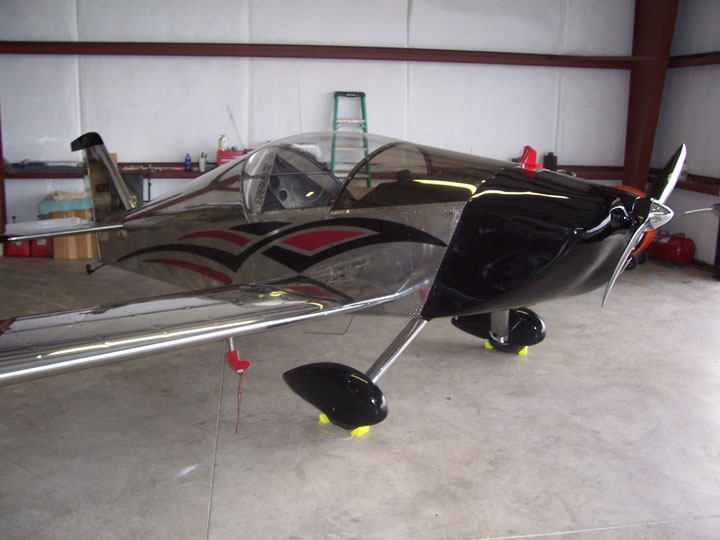
Sonex Aircraft — Serial No. 674
N13PX
Two-seat experimental, all-metal monoplane
Hangared at KEUL · Caldwell, Idaho
Caldwell Executive Airport (KEUL) · 43.64°N / 116.64°W
Scroll
Detailed specifications for Sonex Aircraft Serial #674. The Sonex is an all-metal, low-wing, single-engine experimental aircraft designed by John Monnett and produced by Sonex Aircraft, LLC of Oshkosh, Wisconsin.
Sonex #674 is jointly owned and maintained by brothers Jason and Jonathan Lindstrom.
N13PX is an experimental amateur-built Sonex aircraft, Serial Number 674. Designed by John Monnett, the Sonex is a proven, all-metal, low-wing monoplane offering exceptional performance and efficiency. Every rivet, panel, and system on this aircraft represents the craftsmanship and dedication that defines the homebuilt aviation community.
This aircraft is jointly owned by Jason Lindstrom and Jonathan Lindstrom. Together they are responsible for the ongoing maintenance, airworthiness, and operation of N13PX.
N13PX is based at Caldwell Executive Airport, one of Idaho's busiest general aviation facilities located in Caldwell, Canyon County, Idaho.
Centralized document repository for N13PX. Browse and download aircraft manuals, wiring diagrams, photographs, and maintenance records.
Build the current FAA charts, approach plates and airport information into the format the panel installs from, then download them here and write them to the EFIS SD card. Everything runs on the cluster — nothing to install.
Choose which sectionals, terminal area and IFR enroute charts you want and which airports need plates. The cluster fetches the current FAA cycle and builds it; you download a single archive and unzip it onto the card.